

Erectile Dysfunction: More Than a Bedroom Problem
- Pharm. Onyehalu Jennifer

- Jun 13
- 4 min read
When people hear the term "erectile dysfunction" (ED), they often think of it as simply a sexual health issue. However, erectile dysfunction is much more than the inability to achieve or maintain an erection suitable for sexual activity. In many cases, it can serve as an early warning sign of underlying health conditions that require medical attention.
Despite how common it is, ED remains a topic many men find difficult to discuss. Embarrassment, stigma, and misconceptions often prevent individuals from seeking help. The good news is that erectile dysfunction is common, treatable, and sometimes preventable.
What Is Erectile Dysfunction?
Erectile dysfunction is the persistent inability to achieve or maintain an erection sufficient for satisfactory sexual activity.
Occasional difficulty with erections is normal and can happen due to stress, fatigue, anxiety, or other temporary factors. However, when the problem becomes frequent or ongoing, it may indicate an underlying issue that should be evaluated.
ED can affect men of all ages, although it becomes more common as people grow older.
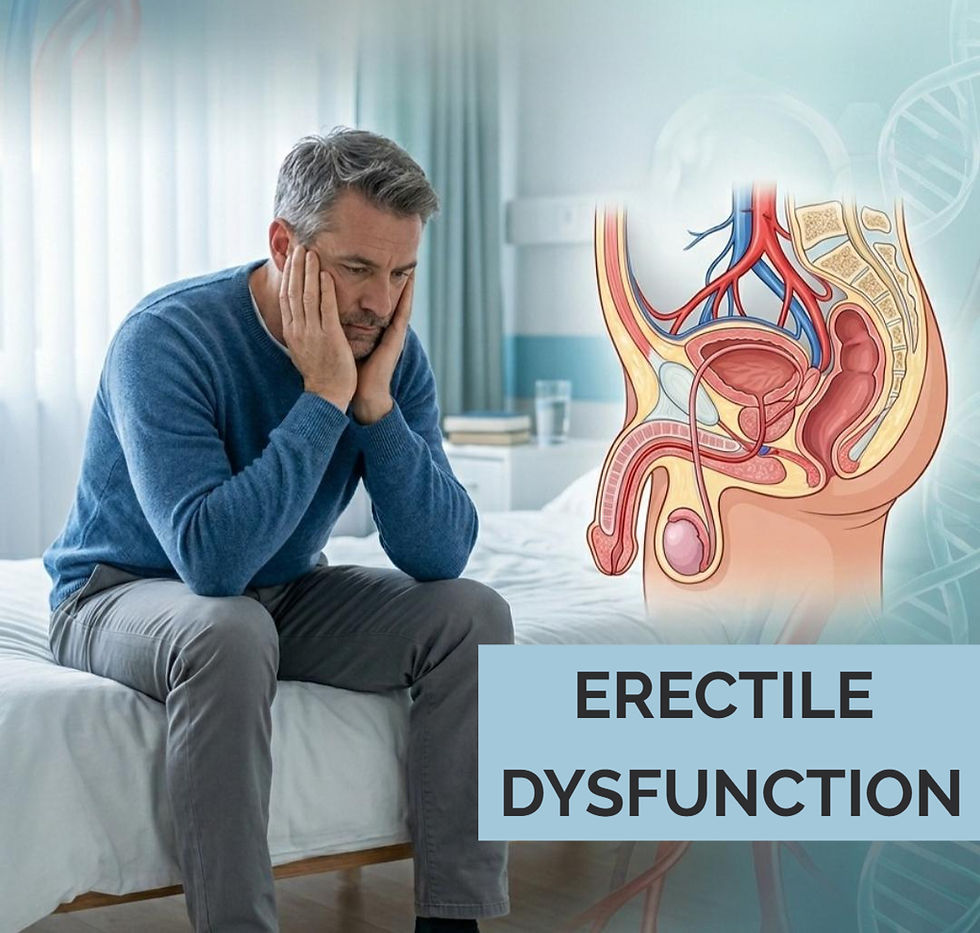
How Does an Erection Occur?
An erection is the result of a complex interaction between the brain, nerves, hormones, blood vessels, and muscles.
When a man becomes sexually aroused, signals from the brain trigger increased blood flow to the penis. The blood fills specialized tissues, causing the penis to become firm and erect.
Any condition that interferes with blood flow, nerve function, hormone levels, or psychological well-being can affect this process and contribute to erectile dysfunction.
Common Causes of Erectile Dysfunction
1. Cardiovascular Disease
Healthy blood flow is essential for an erection. Conditions that damage blood vessels can reduce blood flow to the penis and lead to ED.
Examples include:
High blood pressure
Heart disease
Atherosclerosis (hardening of the arteries)
High cholesterol
In some men, erectile dysfunction may appear years before symptoms of heart disease become noticeable.
2. Diabetes
Diabetes can damage both blood vessels and nerves involved in the erection process. Men with poorly controlled diabetes have a significantly higher risk of developing erectile dysfunction.
3. Obesity
Excess body weight is associated with hormonal changes, inflammation, reduced blood flow, and an increased risk of diabetes and cardiovascular disease—all of which can contribute to ED.
4. Smoking
Smoking damages blood vessels and reduces circulation throughout the body, including the penis. Over time, this can increase the likelihood of erectile dysfunction.
5. Psychological Factors
Mental and emotional health can have a major impact on sexual function.
Contributing factors may include:
Stress
Anxiety
Depression
Relationship difficulties
Performance anxiety
Sometimes psychological and physical causes occur together.
6. Low Testosterone
Testosterone plays an important role in sexual desire and overall sexual health. Low testosterone levels may contribute to reduced libido and, in some cases, erectile difficulties.
7. Certain Medications
Some medications may cause erectile dysfunction as a side effect.
Examples include:
Certain blood pressure medications
Some antidepressants
Certain medications used for prostate conditions
Some treatments for cancer
Patients should never stop prescribed medications without consulting a healthcare professional.

Erectile Dysfunction May Be a Warning Sign
One of the most important things people should know is that erectile dysfunction can sometimes be an early indicator of serious health conditions.
The blood vessels supplying the penis are smaller than those supplying the heart. As a result, problems affecting blood vessels may become noticeable in erectile function before symptoms such as chest pain or heart attacks occur.
For this reason, healthcare professionals often view ED as a potential marker of cardiovascular risk.
Ignoring erectile dysfunction may mean missing an opportunity to identify and manage an underlying health problem early.
Can Erectile Dysfunction Be Prevented?
While not all cases can be prevented, adopting healthy lifestyle habits may significantly reduce risk.
Helpful strategies include:
Exercising regularly
Maintaining a healthy weight
Eating a balanced diet
Avoiding tobacco products
Limiting excessive alcohol consumption
Managing blood pressure, cholesterol, and blood sugar levels
Prioritizing good sleep
Managing stress effectively
These habits not only support sexual health but also improve overall well-being.
Treatment Options
Treatment depends on the underlying cause.
Options may include:
Lifestyle modifications
Psychological counseling
Management of underlying medical conditions
Hormone therapy when appropriate
Prescription medications such as phosphodiesterase type 5 (PDE5) inhibitors
A healthcare professional can help determine the most appropriate treatment based on individual circumstances.

When Should You Seek Help?
Men should consider speaking with a healthcare professional if erectile difficulties:
Occur frequently
Persist for several weeks or months
Cause distress or relationship problems
Are accompanied by other symptoms such as decreased libido or signs of cardiovascular disease
Seeking help early can improve outcomes and may uncover health conditions that require treatment.
Final Thoughts
Erectile dysfunction is more common than many people realize, and it is not simply a consequence of aging. While it can affect intimacy and quality of life, it may also provide valuable clues about a person's overall health.
Rather than viewing erectile dysfunction as something to hide or ignore, it should be seen as an opportunity to assess and improve health. In many cases, addressing the underlying cause can lead to improvements not only in sexual function but also in long-term health and well-being.
Remember: erectile dysfunction is not just a bedroom problem—it may be your body's way of asking for attention.


Veey enlightening!