

Lassa Fever Alert: 31 Dead in 5 Weeks
- Pharm. Onyehalu Jennifer

- Feb 20
- 4 min read
As a community pharmacist in Lagos, Nigeria, I see patients every day worried about fevers, headaches, and "strange illnesses." Right now, one disease topping the alerts is Lassa fever, a viral infection that's spiking across Nigeria during this dry season (November to April peak).
The Nigeria Centre for Disease Control and Prevention (NCDC) reports that in the first five weeks of 2026 alone, there have been over 750 suspected cases, 165 confirmed, and 31 deaths (case fatality rate around 18.8%). New confirmed cases jumped sharply in recent weeks (from 28 to 44 in one week), hitting states like Bauchi, Ondo, Taraba, Edo, Plateau, Benue, Ebonyi, and more. Alarmingly, health workers (including doctors, nurses, and even some in pharmacies) are getting infected (at least 9 to 15 cases reported, with tragic losses). This is not just a "rural" issue. It is reaching urban areas too.
Lassa fever is serious but preventable and treatable if caught early. Here is everything you need to know.

What Is Lassa Fever and How Does It Spread?
Lassa fever is an acute viral haemorrhagic illness caused by the Lassa virus, a member of the arenavirus family. It was first identified in 1969 in the town of Lassa, Nigeria. This zoonotic disease (meaning it jumps from animals to humans) is endemic in West Africa, including Nigeria, where the main reservoir is the multimammate rat (common "house rat" known as Mastomys natalensis). The virus can cause mild flu-like illness in about 80% of cases, but in up to 20% it becomes severe, leading to bleeding, organ failure, and potentially death if not treated early. It's not spread like common colds or malaria—it's tied to rodent contact and poor hygiene. These rats are not sick but shed the virus in their urine, droppings, saliva, and blood.
You can get infected by:
- Eating food or drinking water contaminated with rat droppings or urine.
- Touching objects soiled by rat excreta.
- Breathing in tiny particles from dried rat droppings (especially when sweeping unclean areas).
- Handling or eating rats ("bushmeat").
- Person-to-person: Through direct contact with body fluids of an infected person (blood, urine, saliva, vomit). This puts healthcare workers and family caregivers at high risk.
- Rarely, from mother to baby during pregnancy or delivery.
It is not spread by casual contact, mosquitoes, or air like COVID.
Common Symptoms
Symptoms appear 2 to 21 days after exposure. About 80% of cases are mild (flu-like), but 20% become severe.
Early/mild signs (often mistaken for malaria or typhoid):
- High fever
- Headache
- Sore throat
- Muscle/joint pains
- General weakness and fatigue
- Loss of appetite, nausea, vomiting

Warning signs – Seek help IMMEDIATELY
- Bleeding from mouth, nose, eyes, or other sites
- Swelling of the face
- Chest/abdominal pain
- Difficulty breathing
- Vomiting blood or bloody diarrhoea
- Confusion, seizures
- Low blood pressure/shock
These can lead to severe bleeding or organ failure.
In pregnant women, it can cause miscarriage or stillbirth. Kids and pregnant women are especially vulnerable.
Treatment – Early Action Saves Lives
There is no vaccine yet (though trials are progressing in Nigeria and West Africa), but early treatment works:
- Ribavirin (antiviral drug) is effective if started within 6 days of symptoms. It is given in hospitals.
- Supportive care: Fluids, pain relief, managing bleeding/organ issues.
- Survival improves dramatically with prompt hospital care.
How to Prevent Lassa Fever – Simple Steps for Every Home
Prevention is in our hands. Focus on keeping rats away!
1. Keep your home and surroundings clean:
- Store food (rice, garri, beans) in rodent-proof containers (metal/plastic with tight lids).
- Dispose of garbage properly. Do not leave it overnight.
- Cover all food. Wash fruits/veggies well.
2. Block rats from entering:
- Seal holes/cracks in walls, floors, roofs.
- Keep the compound free of bushes/weeds.
3. Safe food habits:
- Avoid eating rats or bushmeat.
- Cook food thoroughly.
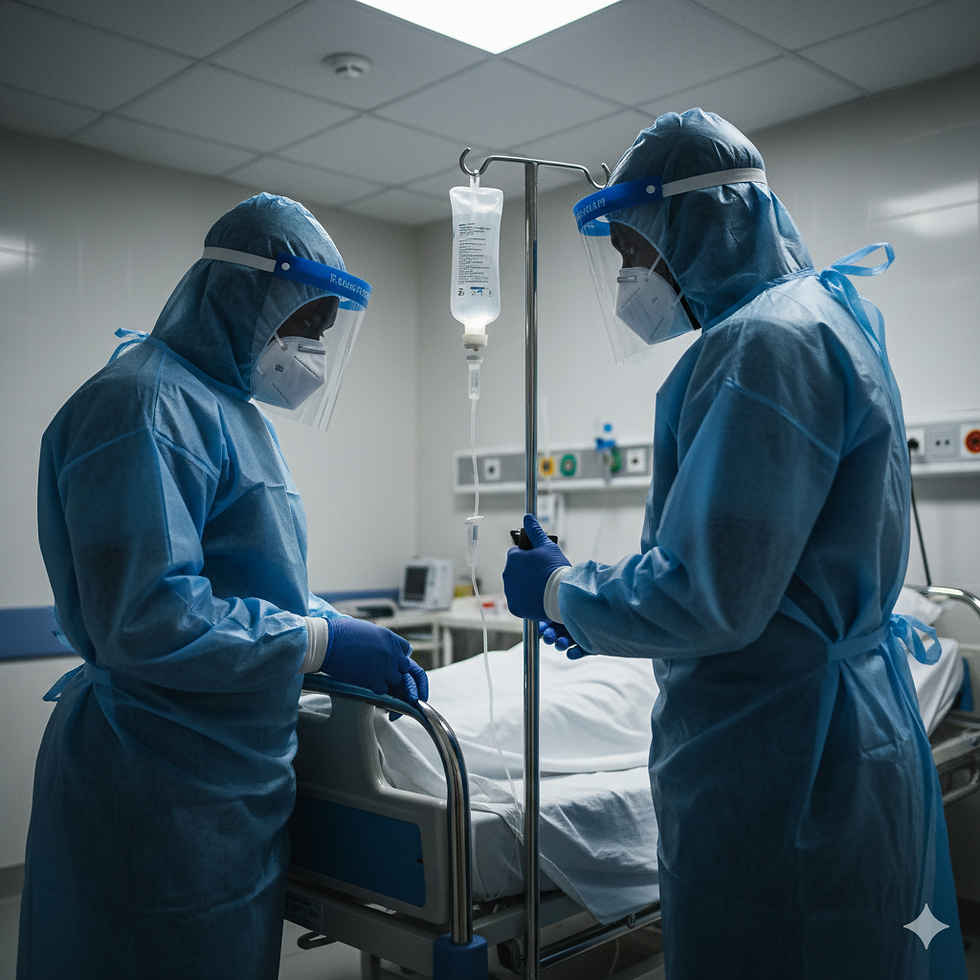
4. In healthcare/pharmacy settings:
- Use gloves, masks, hand hygiene when handling suspected cases.
- Report any feverish patient with bleeding or travel from hot-spot states.
5. Community level:
- Join local clean-up drives.
- Educate family/neighbours. Spread awareness, not fear.
If you suspect Lassa in yourself or family, isolate the person, use protective barriers, and go to the nearest treatment centre or call NCDC toll-free: 6232.

Final Thoughts
Lassa fever continues to claim lives in Nigeria because of delayed detection, limited access to care in some areas, and preventable exposures in daily life. The 2026 surge, with dozens of deaths in just weeks and tragic losses among those on the frontlines, serves as a stark reminder that this disease thrives where rodent control and hygiene lag. Yet the good news is clear: most infections can be avoided through simple, consistent actions at home and in communities. Early medical attention dramatically boosts survival chances, and ongoing vaccine development brings real hope for long-term control.
This is a shared responsibility. Clean environments, prompt care-seeking, and vigilance can turn the tide.


Comments