

Quinoa and You: Exploring the Seed of Strength
- Titilayo Abodunrin (Nutritionist)

- Jul 28, 2025
- 4 min read
Quinoa is a highly nutritious seed that is commonly referred to as a grain and globally known as a superfood. With over 120 varieties of quinoa, the most commonly available types are:
White Quinoa: mild flavor and light texture; the most widely used
Red Quinoa: chewier and has a nuttier taste, ideal for salads
Black Quinoa: earthy flavor and firm texture; holds its shape well when cooked

Technically, it is a pseudo-cereal—seeds consumed like cereal grains e.g. rice or wheat. It has gained popularity among health enthusiasts, vegans, vegetarians and people with gluten intolerance due to its nutritional value, dietary versatility and impressive health benefits.
Nutritional Powerhouse
Quinoa has an exceptional nutritional profile, unlike most plant-based foods, quinoa contains all nine essential amino acids which the human body cannot produce on its own. This also makes it an excellent protein source for vegans and vegetarians.
Nutritional content of quinoa include:
Calories: 368 kcal
Protein: 13-16g
Carbohydrates: 64-69g
Fiber: 7g
Fat: 6g
Rich in minerals like iron, magnesium, phosphorus, manganese, and folate. Zinc, potassium, and calcium are also present in notable amounts.
Note: Nutritional values provided are based on raw quinoa.
Quinoa also contains antioxidants like quercetin and kaempferol, which are known for their anti-inflammatory, antiviral, and cancer-preventive properties.
Health Benefits of Quinoa
Supports Muscle Growth and Repair
Due to its complete protein content, quinoa provides all essential amino acids particularly leucine, isoleucine, and valine which play a vital role in stimulating muscle protein synthesis and promotes tissue repair after exercise, especially for men. It also aids in muscle function and reduces cramping, it is essential for oxygen transport to the muscle and also, important for energy production and bone health.

2. Gluten-Free and Easy to Digest
Quinoa is naturally free from gluten which makes it a great grain substitute for individuals with celiac disease or gluten sensitivities. Celiac disease is a chronic autoimmune disorder where the body’s immune system reacts abnormally to gluten, simply put, eating gluten causes the immune system to damage the small intestine, leading to problems with absorbing nutrients. This also makes it easy to digest and allows better nutrient absorption compared to other gluten free grains.
Regulates Blood Sugar
Quinoa has a low glycemic index (GI) which prevents the sudden spikes in blood sugar, this makes it suitable for people with diabetes or insulin resistance. Its high fiber content slows the digestion and absorption of carbohydrates, which helps control how quickly sugar enters the bloodstream.
Some studies suggest that quinoa may help improve insulin sensitivity, this causes the body to use insulin to manage blood sugar. Better insulin sensitivity means better sugar control. It also contains antioxidants and nutrients which play a role in blood sugar metabolism and may reduce inflammation linked to diabetes.
Boosts Heart Health
The magnesium, potassium and iron content help in maintaining a healthy blood pressure and supports proper circulation, all of which are essential for heart health and help reduce the risk of cardiovascular disease.
Antioxidants such as quercetin and kaempferol in quinoa help reduce inflammation and oxidative stress and the soluble fiber content aids in lowering LDL (bad) cholesterol in the body, lower cholesterol levels mean lower risk of heart disease.
The combination of fiber, protein and complex carbs in quinoa promotes satiety and helps control weight which is important in maintaining heart health.
Supports Digestive Health
Dietary fiber, especially insoluble fiber adds bulk to stool, this helps maintain regular bowel movements preventing constipation. It also acts as a prebiotic, feeding the good bacteria in the gut enhancing a balanced digestive and immune health.

Supports Bone Strength
Quinoa contains a notable amount of bone building mineral as phosphorus works alongside calcium to build and maintain strong bones and teeth. Manganese supports bone development and helps form connective tissue and collagen, which are important for bone strength and magnesium helps regulate calcium levels in the bones and bloodstream. All these minerals work together to prevent osteoporosis—a disease that weakens the bones.
May Help Reduce Cancer Risk
Quinoa contains a high level of polyphenols, flavonoids, and vitamin E, these antioxidants are common in neutralizing free radicals—unstable molecules that damage cells and, contributes to cancer development and many other diseases. The phytochemicals and saponins in quinoa show anti-inflammatory activity, which may help lower cancer risk, as well as the fiber content that supports gut health and reduces the risk of colorectal cancer.
Supports Women’s Health
Quinoa contains a notable amount of folate—a B-vitamin essential, responsible for DNA synthesis, cell growth, and red blood cell formation. It is especially important for women of childbearing age as it helps prevents neural tube defects in babies during the early stage of pregnancy.
Folate supports the production of healthy red blood cells, which help prevent anemia in both menstruating and pregnant women. It also plays a role in supporting hormonal balance and mood regulation, beneficial for women experiencing PMS or hormonal shifts.
Culinary Uses and Preparation
Quinoa is highly versatile and can be incorporated into a wide range of dishes. It can be:
Boiled as a rice substitute
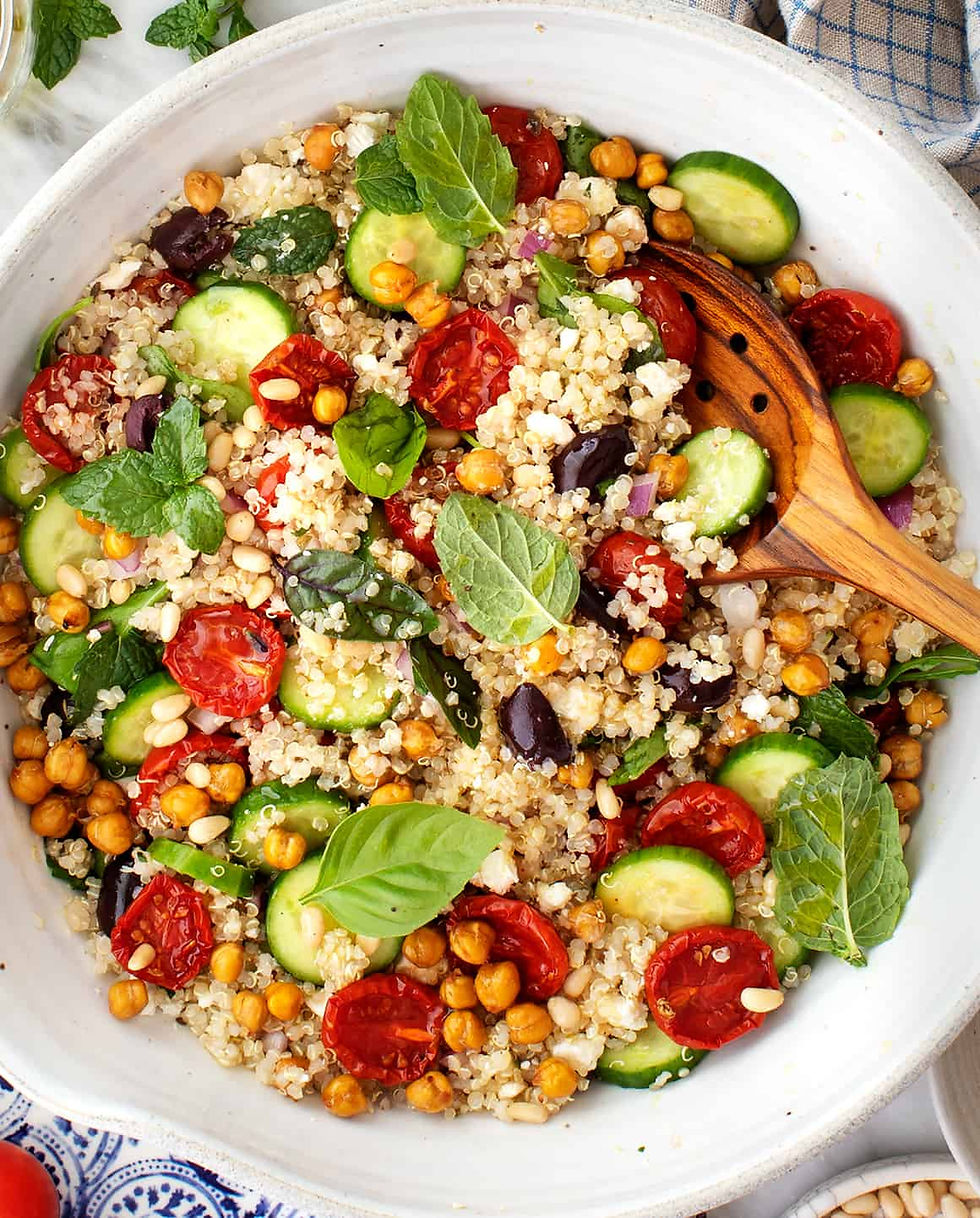
Mixed into salads and soups
Used as a stuffing for vegetables
Blended into breakfast porridge
Ground into flour for baking
Made into energy bars, granola, or patties
Embracing Quinoa in Your Diet
Quinoa is more than just a health fad; it’s a versatile, nutritious, and gluten-free ingredient that can enhance any meal. Its numerous health benefits, including being a complete protein and supporting heart health, highlight its importance in our diets. As people prioritize healthier, sustainable food sources, quinoa’s popularity continues to rise, opening up endless culinary possibilities.
Incorporating quinoa into your diet not only enriches your meals but also aligns with your wellness goals. With its rich history and impressive nutritional profile, it’s clear that quinoa is a superfood that can truly transform modern diets.


Thank you for this vital information 🙏
Thanks for this information