

From PCOS to PMOS: Why the Name Change Matters
- Pharm. Onyehalu Jennifer

- May 16
- 3 min read
For years, millions of women around the world have been diagnosed with Polycystic Ovary Syndrome (PCOS), a condition commonly associated with irregular periods, infertility, acne, weight gain, and excess hair growth. However, experts have increasingly argued that the name “PCOS” does not fully describe the condition.
Now, the condition is being renamed Polyendocrine Metabolic Ovarian Syndrome (PMOS) — a change aimed at improving understanding, diagnosis, and treatment.
But why was the change necessary, and what does it really mean for patients?
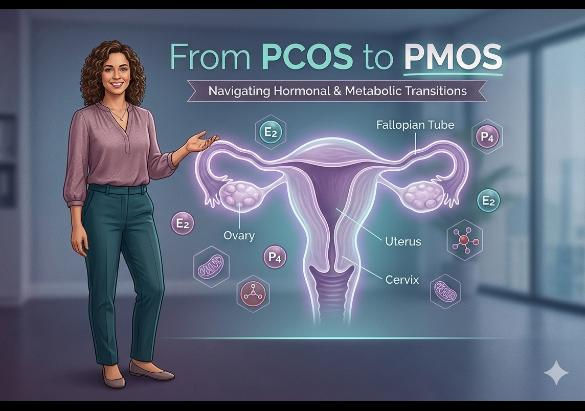
Why the Name “PCOS” Was Problematic
The term Polycystic Ovary Syndrome has long been considered misleading for several reasons.
First, many women diagnosed with PCOS do not actually have ovarian cysts. The “cysts” seen on ultrasound are usually immature follicles rather than true cysts. At the same time, some women without PCOS may also have polycystic-appearing ovaries.
Second, the condition affects far more than the ovaries. PCOS is linked to hormonal imbalance, insulin resistance, obesity, diabetes risk, cardiovascular issues, skin changes, infertility, and even mental health challenges such as anxiety and depression.
Because of this, many experts felt the old name focused too narrowly on the ovaries while ignoring the broader effects of the condition on the body.
What Does PMOS Mean?
The new term, Polyendocrine Metabolic Ovarian Syndrome (PMOS), is designed to better reflect the true nature of the disorder.
Polyendocrine
This means the condition affects multiple hormone systems in the body, not just reproductive hormones.
Metabolic
This highlights the important metabolic component of the condition, including:
Insulin resistance
Increased risk of type 2 diabetes
Weight management difficulties
Elevated cholesterol levels
Cardiovascular risk
Ovarian
The ovaries are still involved, particularly regarding ovulation and reproductive health.
Syndrome
The condition is a collection of symptoms and signs that vary from person to person.

Common Symptoms of PMOS
Although the name has changed, the symptoms remain largely the same. Common features include:
Irregular or absent menstrual periods
Difficulty getting pregnant
Acne and oily skin
Excess facial or body hair
Hair thinning on the scalp
Weight gain or difficulty losing weight
Darkening of the skin in certain areas
Fatigue and mood changes
Not every person with PMOS will experience all these symptoms.
How Common Is PMOS?
PMOS remains one of the most common hormonal disorders affecting women of reproductive age. It is estimated to affect about 1 in 10 women worldwide, although many cases remain undiagnosed.
In many low- and middle-income countries, including parts of Africa, awareness and diagnosis may still be limited, causing many women to struggle with symptoms without understanding the underlying cause.
Does the Name Change Affect Treatment?
At the moment, the name change does not drastically alter diagnosis or treatment approaches. Management still focuses on the individual’s symptoms and health goals.
Treatment may include:
Lifestyle modifications
Healthy nutrition and exercise
Weight management support
Medications to regulate periods
Fertility treatments when needed
Acne and hair-growth treatments
Blood sugar management
However, experts hope the new name will encourage healthcare providers to take a more comprehensive approach rather than focusing only on reproductive symptoms.

Why This Change Matters
For many patients, the change from PCOS to PMOS is more than just a new label. It represents a shift toward recognizing the condition as a complex whole-body disorder rather than simply an ovarian problem.
A better name may improve the following:
Public awareness
Early diagnosis
Patient understanding
Research focus
Comprehensive care
It may also reduce confusion among patients who were previously told they had “cysts” when no actual ovarian cysts were present.
Final Thoughts
The transition from PCOS to PMOS reflects a growing understanding of a condition that affects millions worldwide. While the symptoms and treatments may remain familiar, the new name emphasizes that this is a broader hormonal and metabolic disorder that deserves holistic care and attention.
As awareness continues to grow, experts hope the change will lead to better conversations, better research, and ultimately better health outcomes for those living with the condition.
REFERENCES


Comments